Does Tree Removal Require Permits in Pearland?
A dead tree leaning toward your roof is not a problem that can wait for paperwork to become clear. Still, does tree removal require permits before a crew can take it down? Sometimes, yes. The answer depends on where the tree sits, the rules that apply to your property, the tree’s condition, and whether the work could affect utilities, drainage, or neighboring homes.
For most homeowners, the goal is simple: remove the danger without creating a fine, delay, or dispute. A quick check before the job starts can prevent a bigger headache later.
Does Tree Removal Require Permits on Residential Property?
There is no one permit rule that covers every property in Pearland or the surrounding Houston area. Requirements can vary by city, county, subdivision, and homeowners association. A tree in an established backyard may be treated differently than a tree on a commercial site, a new construction lot, a property near a waterway, or land being cleared for development.
In many cases, homeowners can remove a tree on private residential property without a city permit, particularly when it is dead, diseased, storm-damaged, or creating an immediate safety risk. But that does not mean every removal is automatically exempt. Some municipalities regulate certain trees by size, species, location, or protected status. HOA rules can also be stricter than local government requirements.
The practical answer is this: do not assume. Before scheduling a planned removal, verify the rules that apply to your address. If a tree is actively dangerous after a storm, safety comes first, but it is still smart to document the condition with photos and contact the appropriate local office as soon as possible.
When a Permit Is More Likely to Be Needed
Permits are more common when tree work is connected to construction, land clearing, drainage changes, or a regulated area. A homeowner removing one hazardous tree is in a different situation from a property owner clearing multiple mature trees for a driveway, pool, addition, or new fence line.
Land Clearing and Development Work
If you are clearing a lot, expanding a home, building a detached structure, or preparing property for a major outdoor project, ask about tree and site permits early. The city may review grading, drainage, easements, setbacks, and protected vegetation as part of the overall project. Starting tree removal before that review is complete can create delays when it is time to pull building permits.
This matters on larger residential lots as well. Removing several trees at once can change shade, water flow, soil stability, and the look of the neighborhood. Even when a permit is not required, a clear plan helps prevent unnecessary removal and protects the trees worth keeping.
Trees Near Streets, Sidewalks, and Easements
A tree may look like it is in your front yard but actually sit within a public right-of-way, drainage easement, or utility easement. Those areas have separate rules because they serve the public or allow access for utility crews.
Do not remove or heavily cut a tree in one of these areas based only on a property line estimate. Check your survey if you have one, and contact the city or utility provider when the location is unclear. A contractor can identify visible concerns, but the property owner should confirm ownership and any required approval.
Protected Areas and Drainage Features
Properties near creeks, detention ponds, wetlands, or other drainage features may have additional restrictions. Tree roots can help hold soil in place, and work near drainage systems can affect neighboring properties during heavy rain.
This does not mean a hazardous tree must stay standing. It means the removal plan may need more care, approval, or erosion control. Removing a problem tree while protecting the surrounding ground is usually much less expensive than repairing washed-out soil or a damaged drainage bank later.
HOA and Deed Restrictions
Your HOA cannot issue a city permit, but it can require approval for changes to the appearance of your property. Some associations require homeowners to submit a request before removing a visible front-yard tree, even if the city does not require anything.
Read your governing documents or contact the HOA management company before non-emergency work. Get approval in writing when possible. If the tree is dead or dangerous, photos and an assessment from a qualified tree service can support the request and help move it along faster.
Emergency Tree Removal Is Different
Storm damage changes the situation. If a tree has fallen on a house, is resting on power lines, blocks access, or could fail at any moment, waiting days for normal approval is not reasonable. The immediate priority is preventing injury and limiting property damage.
Call 911 for a life-threatening situation. If power lines are involved, stay away from the tree and contact the utility provider. Never attempt to cut, move, or pull a tree that is touching electrical equipment. Even branches that appear harmless can carry dangerous voltage.
For other emergency removals, take photos before work begins if it is safe to do so. Capture the split trunk, exposed roots, broken limbs, roof contact, or visible decay. Those photos can be useful for insurance, HOA communication, and explaining why immediate removal was necessary.
What to Check Before Hiring a Tree Removal Crew
A few phone calls can save you from work that has to be stopped halfway through. Start by confirming whether your city requires a permit for the specific tree and type of work. Ask whether there are rules based on trunk diameter, species, location, or the number of trees being removed.
Next, look at your HOA requirements and property survey. Pay close attention to fence lines, drainage easements, and utility corridors. If you do not have a survey, avoid guessing when a tree is close to the edge of the lot.
You should also request utility marking before digging for stump grinding, fence posts, or replacement landscaping. Tree removal itself may not disturb underground lines, but stump removal and cleanup equipment can. Utility marking is especially worthwhile when the stump is near a gas line, irrigation system, electrical service, or buried cable.
Finally, talk with the tree service about access. A safe removal plan accounts for roofs, sheds, fences, vehicles, neighboring yards, overhead lines, and the condition of the ground. The cheapest quote is not always the best value if it leaves you responsible for lawn damage, broken fencing, or an unground stump.
Permit Questions to Ask Your City or HOA
When you call, keep the questions specific. Explain whether the tree is healthy, dead, storm-damaged, leaning, diseased, or interfering with a planned project. Provide the address and describe where it sits on the property.
Ask whether a permit is required, whether an emergency exemption applies, what documents are needed, and whether the tree can be removed before approval if it presents a clear danger. If an HOA is involved, ask whether photos, a contractor estimate, or an arborist report is needed for approval.
Write down the name of the person you spoke with, the date, and any instructions they provide. It is a simple step that gives you a record if questions come up later.
Removing the Tree Is Only Part of the Job
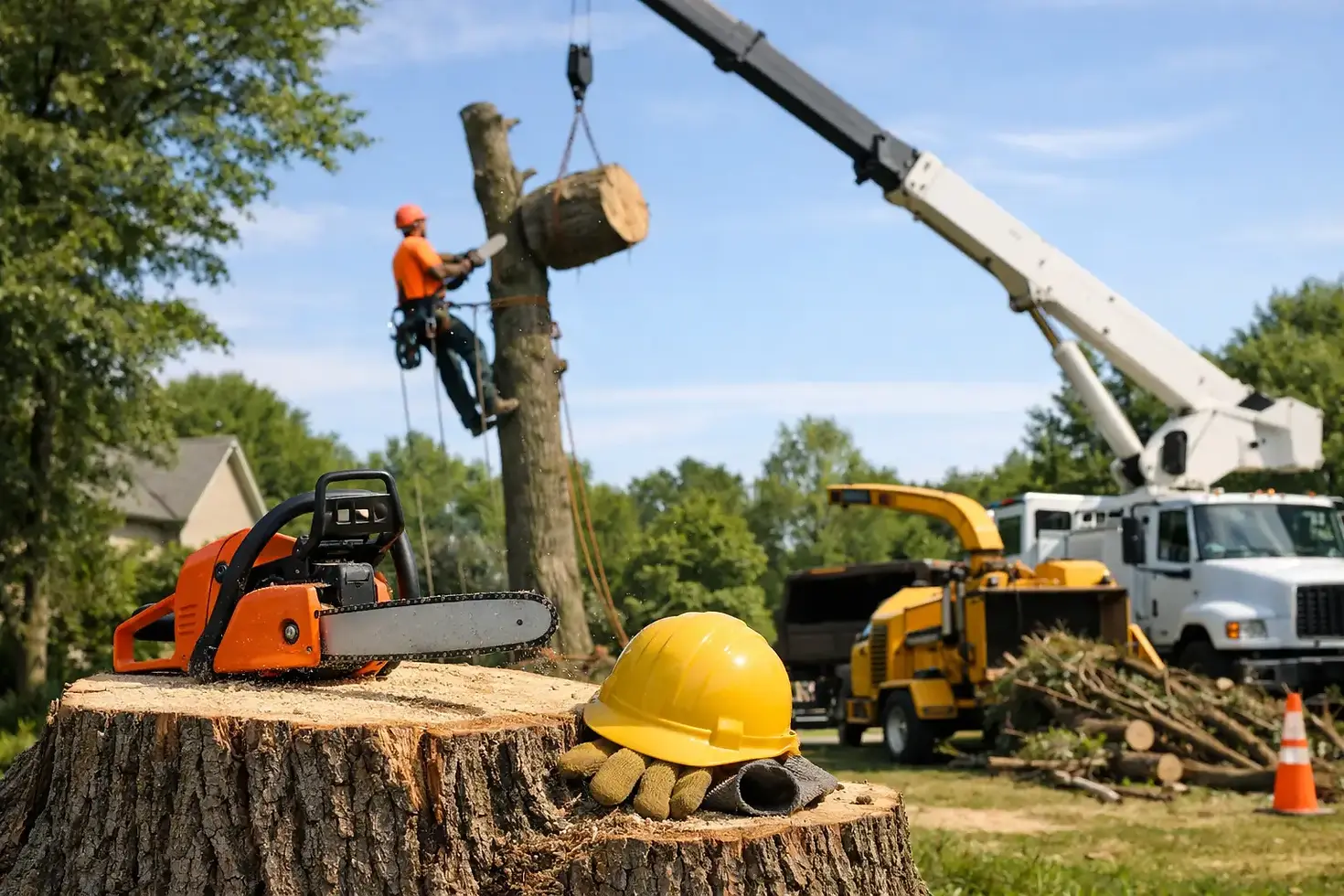
Once approval is handled, the removal itself should be planned around safety and cleanup. A tree near a home often needs to be dismantled in sections instead of dropped in one piece. That takes more time, but it reduces the chance of damage to roofs, fences, patios, and nearby landscaping.
Ask what happens to the wood, brush, and stump. Leaving a stump can be fine in some areas, but it may take up usable yard space, attract pests, or make mowing difficult. Stump grinding is often the better choice when you want to reclaim the area for grass, a garden bed, a fence, or a future outdoor project.
For homeowners in Pearland, Mendez Tree Services Pearland can help assess unsafe trees, plan a careful removal, and handle the cleanup so the yard is ready for what comes next. When permit rules are unclear, confirm them before the crew arrives, then move forward with a plan that protects your home, your property, and the people around it.


Comments