Stump Grinding Depth for a Safer, Clearer Yard
- mendezservices34
- Aug 7
- 6 min read
A stump that looks flat from across the yard can still cause trouble below the surface. The right stump grinding depth determines whether you can grow grass over the area, install a fence, expand a patio, or simply stop mowing around an ugly obstacle. For most homeowners, the goal is not to grind as deep as possible. It is to grind deep enough for what the yard needs next.
In Pearland and the Houston-area suburbs, that question matters because many yards have heavy clay soil, mature trees, irrigation lines, drainage concerns, and plans for future outdoor upgrades. A professional crew should assess the stump, surrounding utilities, and your intended use of the space before setting the grinding depth.
What Is a Normal Stump Grinding Depth?
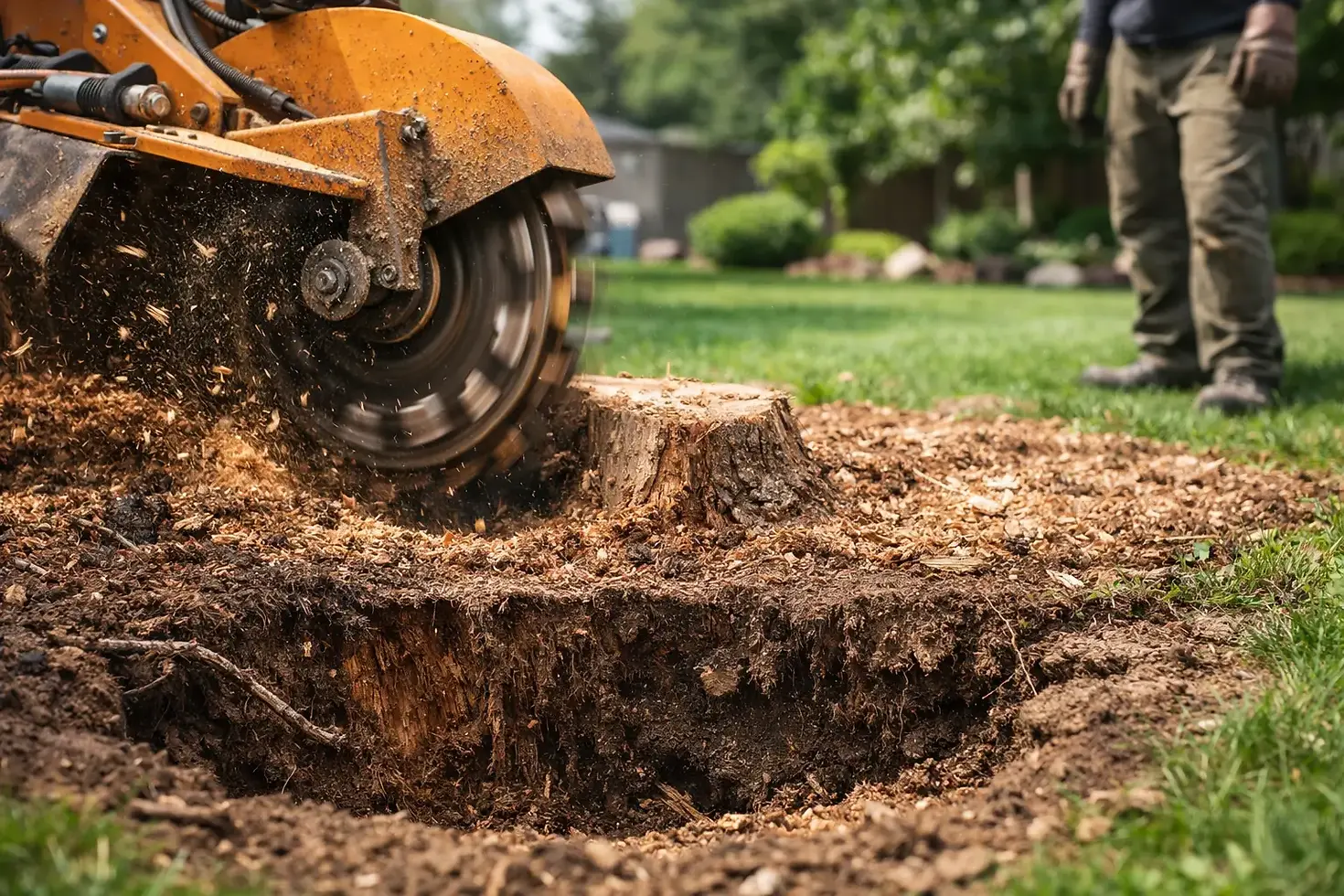
For a standard residential stump removal job, grinding about 4 to 6 inches below the surrounding ground level is common. That depth removes the visible stump and most major surface roots while leaving enough room to add topsoil and establish grass.
For many backyards, 4 to 6 inches is the practical sweet spot. The stump is no longer a tripping hazard, the mower can pass over the area once it is filled and leveled, and the space becomes usable again without unnecessary disruption to the lawn.
Some projects call for deeper work. Grinding 8 to 12 inches below grade may make sense when a homeowner plans to install a patio, walkway, shed pad, fence post, garden bed, or other structure near the old tree location. The deeper the grind, the more room there is to remove wood material and build a stable surface above it.
There is no single depth that works for every stump. A good result is based on the tree species, stump size, root system, soil conditions, and what you want to do with the area afterward.
Why Stump Grinding Depth Matters
Stopping at or just above ground level may make the yard look better for a while, but it rarely solves the full problem. Remaining wood can settle as it decomposes, leaving a low spot in the lawn. Grass may struggle to take hold, and the stump area can stay soft or uneven after heavy rain.
Grinding below grade gives you space to remove the grindings, add clean soil, and restore a level finish. It also reduces the chance of a mower blade catching exposed wood. That is especially helpful in active family yards where children, pets, and lawn equipment move through the same areas every week.
Deeper grinding also matters when the stump sits close to a planned improvement. A fence post needs solid, undisturbed ground. A patio base needs consistent support. If decaying roots and wood chips are left under those areas, settling can create problems later. It is usually less expensive to address the stump correctly before construction than to repair an uneven surface afterward.
When Standard Depth Is Enough
A standard grind is usually the right choice when your main goal is to reclaim lawn space. If the stump is in an open part of the yard and you plan to cover the area with soil, sod, or grass seed, there is often no reason to excavate far below the surface.
This approach works well for stumps left after routine tree removal, storm cleanup, or the removal of a dead tree. Once the crew grinds the stump, the area can be cleaned up, backfilled, and prepared for grass. Keep in mind that fresh stump grindings should not be used as the only fill material. They break down over time and can pull nitrogen from the soil as they decompose.
For the best finish, remove or spread excess wood chips elsewhere in the landscape, then add quality topsoil to bring the area back to grade. Sod generally gives the fastest result, while seed can work if you are prepared to water consistently and keep foot traffic off the area while it grows.
When You May Need Deeper Stump Grinding
A deeper grind should be discussed before the crew starts. It is particularly useful if the old tree location is part of a larger yard project.
If you are adding a wood fence, moving a fence line, or replacing damaged fence sections, tell the contractor where the posts will go. Grinding deeper around a former stump can help prevent wood and roots from interfering with the post hole. It does not replace proper post-hole preparation, but it gives the installer a cleaner area to work with.
A patio, paver walkway, concrete pad, or storage shed also changes the calculation. These projects need stable base material and dependable drainage. Wood left close to the finished surface can rot and settle, which may lead to low spots, shifting pavers, or cracked concrete. In these cases, deeper stump removal and removal of loose grindings are worth considering.
Garden beds are another reason to think beyond a shallow grind. Shrubs and smaller plants can often grow near a former stump after standard grinding and soil replacement. But if you plan to plant a new tree in the same exact spot, the remaining roots, sawdust, and compacted ground may make that difficult. Planting several feet away is often the better option.
Roots Are Not the Same as the Stump
Homeowners sometimes expect stump grinding to remove every root from the yard. That is not how the process works. A stump grinder removes the main stump and the larger roots immediately connected to it near the surface. It does not chase every root across the lawn.
Most remaining roots will decay naturally over time. In some cases, especially with aggressive species, small shoots may appear from roots that are still alive. Those shoots can usually be cut, treated as appropriate, or addressed during the initial tree removal plan.
Removing an entire root system through excavation is a different service. It can tear up large portions of the lawn, disturb irrigation, and create more restoration work than many residential properties need. For a typical yard, grinding the stump to the correct depth is the cleaner and more cost-effective solution.
Soil, Utilities, and Drainage Need Attention
Pearland-area yards often deal with clay-heavy soil and periods of hard rain. A newly ground stump hole that is filled only with loose wood chips can hold water and settle. Proper cleanup and backfilling help the repaired area blend into the rest of the yard.
Before any stump is ground, the crew should be aware of nearby utility markings, irrigation lines, landscape lighting, drainage pipes, and septic components. Stump grinding equipment is powerful, and roots can extend farther than homeowners expect. A stump close to a pool, driveway, foundation, fence, or underground line may require a more careful approach than one in the middle of an open lawn.
Access matters, too. Large grinding machines can handle big stumps efficiently, but a narrow side gate, delicate landscaping, or a tight backyard may affect equipment selection and cleanup planning. A dependable contractor will explain those conditions before work begins instead of surprising you after arrival.
What Happens After the Stump Is Ground?
The work is not quite finished when the grinder stops. The ground stump material needs a plan. Some homeowners keep the chips for mulch in areas away from new turf. Others prefer to have excess debris removed so the site can be filled with soil right away.
After the grindings are handled, add topsoil in layers and level the area slightly higher than the surrounding lawn. Soil can settle after watering and rain, particularly in the first few weeks. If you are installing sod, make sure the final grade matches the existing lawn so water does not collect in the repaired spot.
Avoid placing a heavy structure over a fresh stump area without discussing the preparation first. Even after deep grinding, underground wood can continue decomposing for years. The right base preparation protects your investment if the space will support a shed, hardscape, or fence.
Ask for the Depth That Fits Your Plans
When requesting a stump grinding quote, explain what you want the space to become. Saying that you want the stump gone is a good start, but saying you plan to add grass, a fence, a garden bed, or a patio gives the crew the information needed to recommend the right approach.
Mendez Tree Services Pearland can assess the stump, access to the site, nearby features, and the depth needed for a clean result. The goal is straightforward: remove the obstacle, protect the rest of the property, and leave you with a yard that is ready for its next use.
A stump does not have to keep taking up useful space. Choose a grinding depth based on your actual plans, then have the area finished properly so your lawn is ready to enjoy instead of becoming the next repair project.


Comments